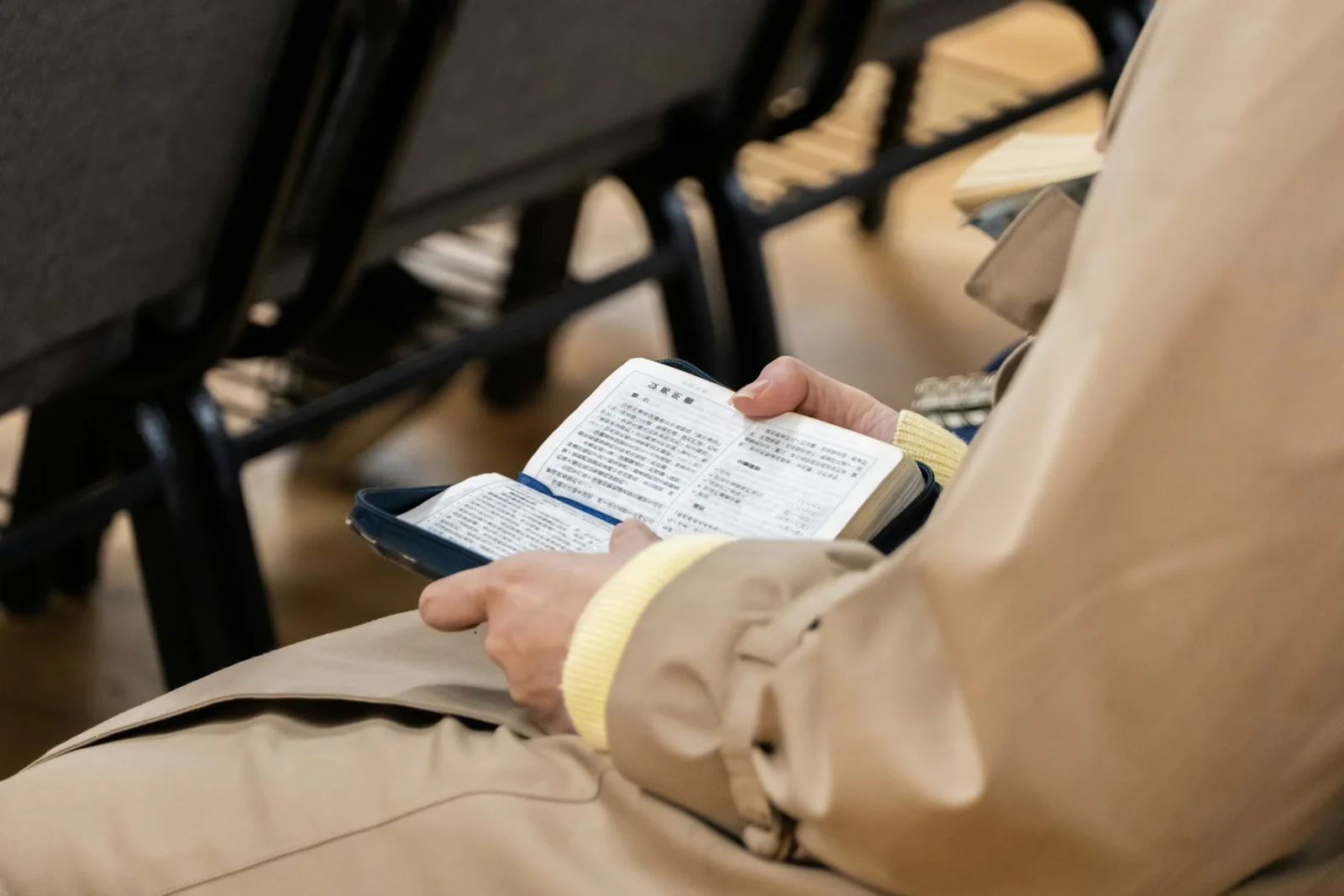



A busy-life prayer routine begins with a repeatable moment and honest words. Set a small daily invitation, use a simple prompt when you feel stuck, and revisit the people and concerns you are praying for.
Prayer is easy to postpone because there is always one more task to finish. Many people also feel pressure to sound certain or eloquent. Yet prayer can begin with a plain sentence: 'God, I need help with this day.'
A routine does not make prayer automatic. It makes space for a relationship that can otherwise be crowded out. The structure should serve honesty, not replace it.
Find a repeatable opening
Choose a moment already present in your day: the walk to work, the first cup of tea, the pause before sleep. Start with three to five minutes and keep a short list of people and concerns you want to bring before God. The list is a prompt, not a quota.
If you prefer words to begin, try gratitude, confession, request, and listening. Some days one of these will carry more weight than the others. Leave space for silence or lament when you do not know what to say.
- Choose a dependable moment.
- Name one person, one concern, and one gratitude.
- Leave a minute to listen or sit quietly.
Use reminders as invitations
A well-timed reminder can interrupt the rush and help you remember what matters. Keep its message gentle and specific: 'Pause and pray for your family' invites a response more readily than a generic demand to be more spiritual.
If you repeatedly ignore a reminder, move it or reduce the action it asks of you. Your calendar should help you pray in your actual life, not recreate an imaginary one.
Make prayer wider than your own needs
Bring your own needs honestly, and also make room for your neighbors, church, workplace, and the wider world. A small group's prayer requests can help you pray with attention for people whose week looks different from yours.
Follow up when you can. A message asking how someone is doing can be part of the care that prayer awakens.
Reflect on what prayer is forming
At the end of a week, ask what you kept bringing to God and whether anything shifted in your attention or actions. Answers to prayer do not always arrive in the way or timing we expect. Reflection helps you remember, remain honest, and seek support when a burden is heavy.
If you miss a day, return at the next opening. A prayer routine is a place to come back to, not a standard you must defend.
Prayers for different parts of the day
A morning prayer can be as simple as naming what lies ahead and asking for wisdom. At midday, you might pause to remember someone you promised to pray for. In the evening, you can give thanks for a moment of grace and name what remains unresolved. These are starting points, not a script you must complete every day.
If you are carrying grief or anger, resist the pressure to tidy your words before bringing them to God. The Psalms make room for lament, confusion, and hope in the same collection. A truthful prayer may be short or unfinished. Writing it down can help when speaking feels difficult.
For groups, agree on how prayer requests will be shared and followed up. Ask before passing someone else's request along. A short, specific message such as 'I prayed for your appointment today; how are you?' can turn a remembered request into an expression of care.
Begin with honest words at a repeatable time, then let reminders and community support your attention.
Bring this practice into your week.
Wordman helps you set a prayer rhythm and reminders that fit your day.
Set a prayer goalKeep exploring
For a fuller picture, read Faith reminders without guilt: use prompts that help you show up, then explore How to start a devotional routine you can return to. You can also see how Wordman supports churches and explore the app for individuals.