


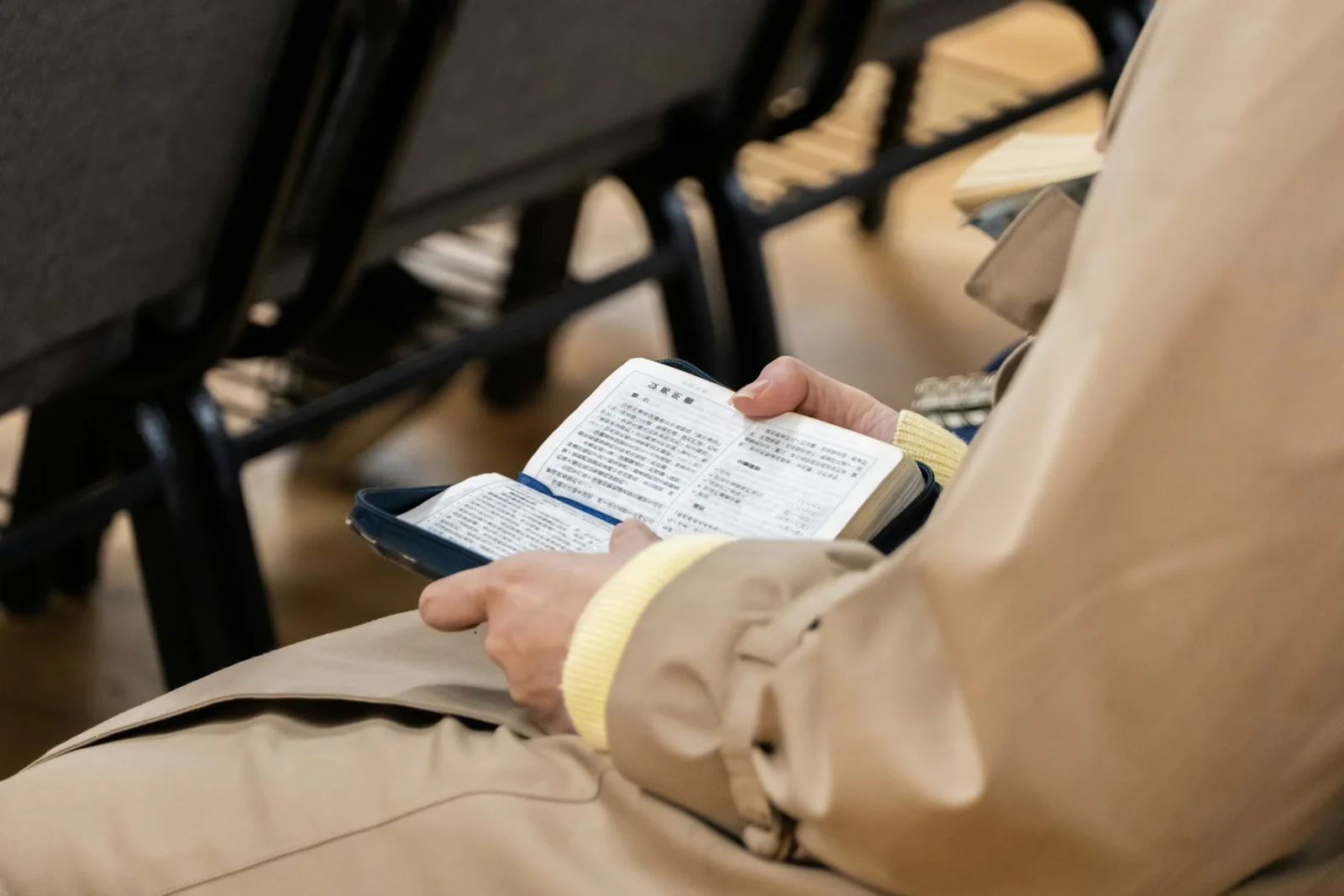
To start a devotional routine, choose a consistent moment, read a manageable passage, notice one truth or question, respond in prayer, and take one small action into the day. Keep the routine simple enough to return to.
A devotional routine can sound like something reserved for people with quiet homes and open calendars. In practice, it can begin with ten attentive minutes and a Bible passage. The goal is to listen and respond, not to produce an impressive notebook.
If you have started and stopped before, begin again without making the next attempt a referendum on your faith. A repeatable framework lowers the barrier to getting started.
Use a simple four-part framework
Read a short passage, notice a word or idea, pray in response, and name one action. Reading slowly gives the passage room to challenge your assumptions. Noticing helps you avoid turning straight to application before you have understood what is there.
Your response might be gratitude, confession, a question, or intercession for someone else. An action might be to reconcile with a friend, resist a familiar reaction, or return to the passage later. Some days, the faithful action is simply to sit with what you do not yet understand.
- Read one manageable passage.
- Write one observation or honest question.
- Pray in response.
- Carry one small response into the day.
Choose a plan that creates continuity
A reading plan can keep you from deciding what to read every morning. It can also help you see how passages connect over time. Choose a plan with a pace you can sustain, and make space to reread when you need to.
If you read with friends, agree on a passage and share one observation each week. A shared plan can turn private insight into a helpful conversation without making every meeting feel like a test.
Keep devotion connected to ordinary life
The value of a devotional is not confined to the minutes spent reading. Pay attention to where the passage meets your relationships, decisions, work, and rest. A line about patience may become most meaningful in a difficult conversation later that afternoon.
Brief reflection at the end of the week can help you remember what you have been learning. Ask what kept returning to mind, what surprised you, and where you may need help responding.
Return without shame
A skipped morning is not a failed relationship with God. Resume with the next passage or revisit the last one. If the routine repeatedly breaks, shorten it or move it to a better time rather than assuming you need more determination.
A devotional practice works best as a doorway into attentiveness. Keep the doorway easy to find.
An example ten-minute devotional
Imagine you are reading a short passage from a Gospel. Spend two minutes reading it twice. Take three minutes to notice who is speaking, what surprises you, and where you may be assuming an answer too quickly. Write one sentence that captures a question or a truth you want to carry. Then use the remaining time to pray in response, using your own words.
You do not need to force an application from every line. Some passages invite worship, others raise questions, and others confront habits of thought or action. If nothing feels immediately clear, your response might simply be to return tomorrow or ask someone else how they understand it.
Keep your materials simple: a Bible, a place to jot a note, and perhaps a plan that tells you where to read next. If an app helps you remember, use it. If the phone becomes a distraction, put it away after opening the passage. Choose the tools that make attention easier for you.
Read, notice, pray, and respond. Repeat at a pace that leaves room for real attention.
Bring this practice into your week.
Follow a spiritual plan and bring your daily practices into one rhythm.
Explore plans in WordmanKeep exploring
For a fuller picture, read A realistic Bible reading plan for busy Christians, then explore How to build a daily discipleship rhythm that lasts. You can also see how Wordman supports churches and explore the app for individuals.