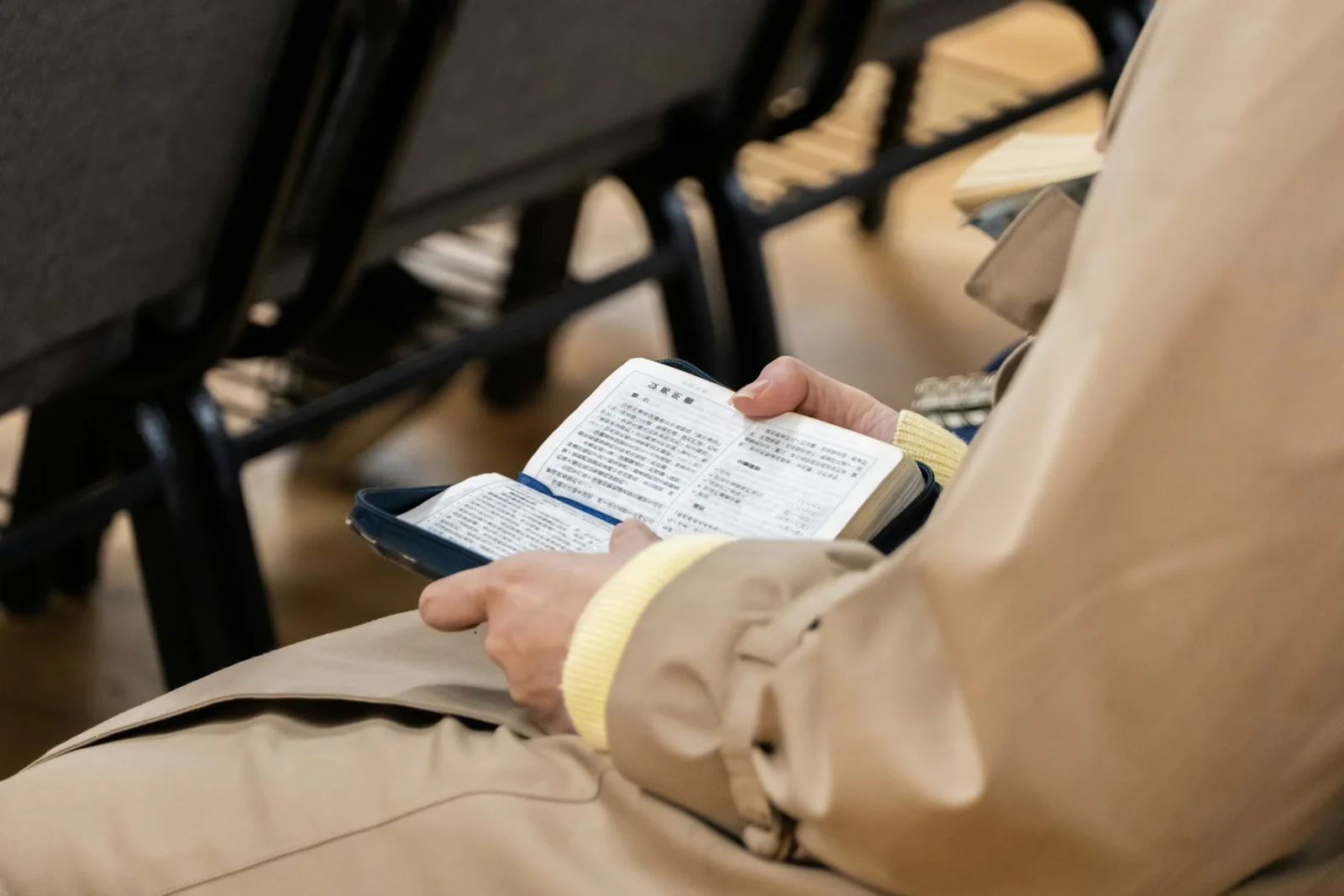



A lasting discipleship rhythm starts with one realistic daily practice, a time and place you can repeat, regular reflection, and people who can encourage you. Consistency matters more than an ambitious schedule you cannot keep.
Many Christians want a deeper walk with Jesus, yet the week fills up before they have made space for prayer or Scripture. The problem is rarely a lack of desire. More often, the plan is too vague: 'I will spend more time with God' has no place to live in an ordinary Tuesday.
A discipleship rhythm gives that desire a shape. It is a repeatable way of turning toward God, paying attention to your life, and walking with others. It should support a living relationship, not become a scorecard for your worth.
Begin with a small, clear practice
Choose one anchor you can return to for two weeks. Read a short passage after breakfast, pray during your commute, or write one sentence of gratitude before bed. A ten-minute practice you repeat will teach you more about your real life than an elaborate plan you abandon after three days.
Name the time, place, and action. 'After I make coffee, I will read one Psalm and write down one line that stands out' is easier to keep than 'read the Bible more.' Make it small enough to do on a crowded day.
- Pick one practice for the next 14 days.
- Attach it to something you already do.
- Decide what a shorter version looks like on a hard day.
Make room for attention, not just completion
A habit tracker can help you remember, but a completed box is not the same as transformation. Ask what the passage reveals about God, what it brings into focus in your relationships, and what one response would look like today. Sometimes the most faithful response is a conversation, an apology, or a quiet act of service.
Use a weekly review to notice patterns without shame. What helped you show up? What interrupted you? What has changed in your prayers? Adjust the rhythm to fit your actual season rather than defending a plan that no longer serves you.
Let other people share the journey
Christian growth has always had a communal shape. A friend, mentor, or small group can pray with you, ask honest questions, and celebrate the quiet progress you may miss. You do not need to share every detail of your spiritual life; choose a level of openness that is wise and safe.
If your goal is to build a rhythm with others, start with one shared practice and a weekly check-in. The aim is encouragement and mutual care, not comparison. A group can help carry the rhythm when individual motivation runs low.
Keep beginning again
Missing a day does not erase what God has been doing. Return at the next ordinary opportunity. Sustainable discipleship depends less on never missing and more on learning to begin again with honesty and grace.
Over time, you can add practices that fit your life: prayer, Bible reading, worship, fasting, generosity, or service. Let the rhythm grow as your capacity and understanding grow.
A two-week starting plan
For the first seven days, keep the practice exactly the same even if you feel ready for more. Read your chosen passage, pray briefly, and note one thing you want to remember. Mark the practice complete only after you have actually made space for it. If you miss a day, record that honestly and continue the next day without trying to double the work.
In week two, pay attention to the conditions around the practice. Was the time of day workable? Did the passage connect with a decision or relationship? Did a friend help you return when you drifted? At the end of the fortnight, keep the parts that helped and adjust one obstacle. This gives you a rhythm shaped by experience rather than wishful thinking.
If you want to add something, add a weekly conversation before adding more daily tasks. A friend can help you name what is changing and what needs prayer. Over several months, that shared attention may matter more than the number of practices on your list.
Start with one small practice, give it a repeatable place in your day, reflect each week, and invite one trusted person into the journey.
Bring this practice into your week.
Wordman helps you set personal goals, follow plans, and see your progress over time.
Explore spiritual habit trackingKeep exploring
For a fuller picture, read Christian spiritual habits that stick in real life, then explore How to start a devotional routine you can return to. You can also see how Wordman supports churches and explore the app for individuals.